
Our Best Cordless Circular Saw Tools
For light and heavy duty cutting across various materials
Nuron
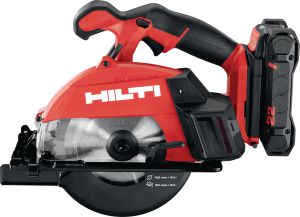
Nuron
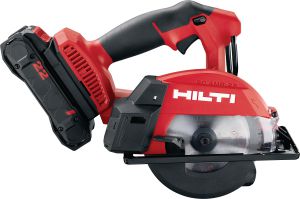
Nuron
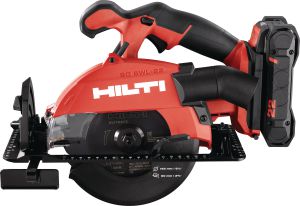
Nuron
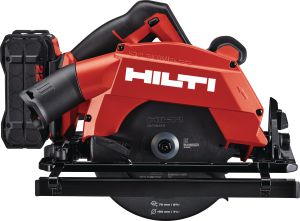
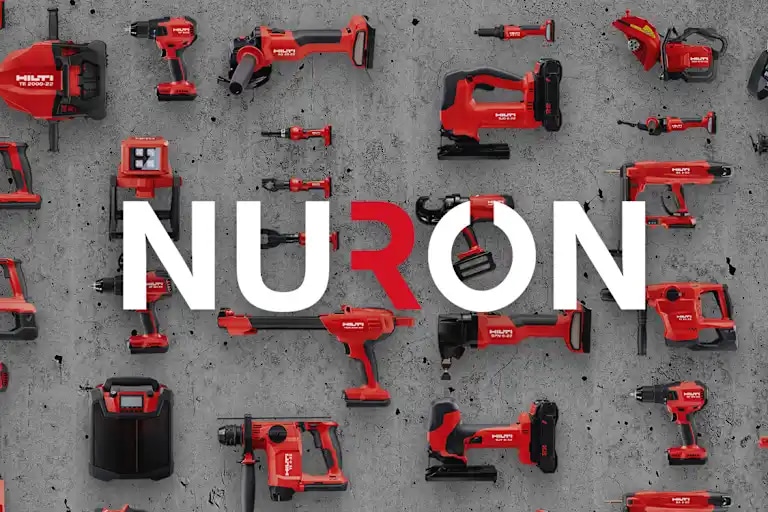
Power around 90 tools with a single battery
More work-per-charge
Built-in battery diagnostics
New and improved safety features
Last charged location*

We also offer reciprocating saws and jig saws. From breaking and cutting to drilling and fastening Hilti has the right tool for you.
Hilti cordless tools, including our all our cordless circular, reciprocating and jigsaw products, are designed for maximum performance and improved user comfort.

Our cordless circular saw products, sometimes known as a battery circular saw, can perform light and heavy-duty cutting across materials including metal, wood and wood composites. In addition, selected products also offer virtually dust-free sawing – when used with the dust port to connect the saw to a Hilti vacuum cleaner. With Nuron, you can perform corded and petrol-powered applications on a single cordless platform.
*when used with included dust port to connect the cordless circular saw to a Hilti vacuum cleaner.
**Fleet subscription and charger module required.

Before you get started, you need to make sure you have the correct disc and setting for the material you’re cutting (e.g. wood, metal, plastic etc). In addition, you need to ensure you’re wearing the correct safety equipment before use. Many modern circular saws also come with a blade guard to protect users.
To get started:
1. Measure and draw the lines you need to cut clearly
2. Adjust the blade level to the required depth, usually a touch deeper than the material you’re cutting.
3. Hold the saw with your dominant hand, then use the trigger switch to start operation.
4. Wait for the saw to reach full speed.
5. Push and glide through the material.
Switch off or remove the battery once done. If you’re having trouble cutting, make sure your saw blade isn’t worn or you’re using the correct blade for the material.

Over time blades can lose effectiveness from general wear and tear, so always disconnect the tool from the mains or remove your battery before you begin.
To start, you’ll need to stop the blade from rotating by engaging the blade lock or blade brake.
To remove the cutting disc, you will need to take off the blade nut, also known as an arbor bolt. Depending on the brand of circular saw, you’ll need to remove this with a blade wrench (which comes with the tool – usually in the form of an Allen key). Though with some circular saws you don’t need a blade wrench to remove the bolt.
Once you have loosened and removed the blade nut, you can pop the cutting disc out. Then, reverse these steps with a new disc to complete.

While both tools can cut, there is a slight difference.
Circular saws are best for pure straight cuts. Best for straight, fast, long cuts.
Jigsaws are a better option for cuts with curves, detailing and shapes.
How deep can a circular saw cut?
The answer to this query lies with the tool itself. Some circular saws can go deeper than others, while smaller blades allow for a bit more precision. However, most circular saws also offer adjustable depth – allowing for changes in depth. While various saws are available, the most common cutting depth a saw can hit can be:
55-57mm
85mm and above
Adjustable depth settings allow you to match the cut to your material.