
PEACE OF MIND
Install rebar faster and safer
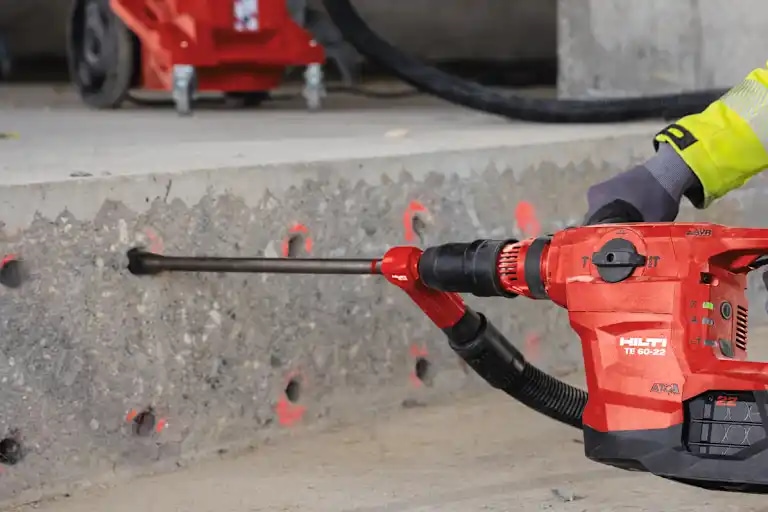
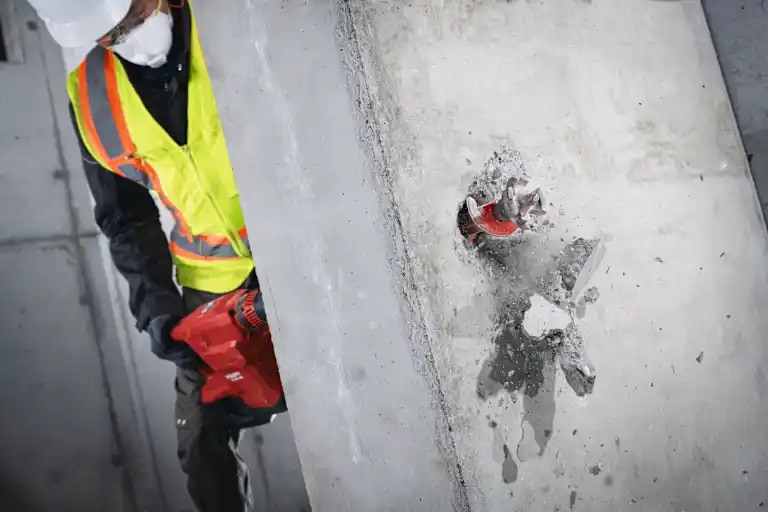
Hilti Hollow Drill Bits remove dust as you drill, creating clean holes, enabling faster workflows, and more reliable anchor setting.
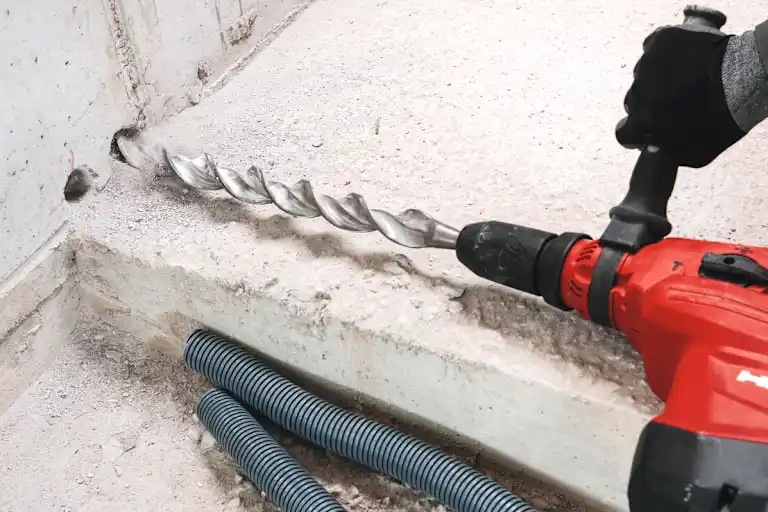
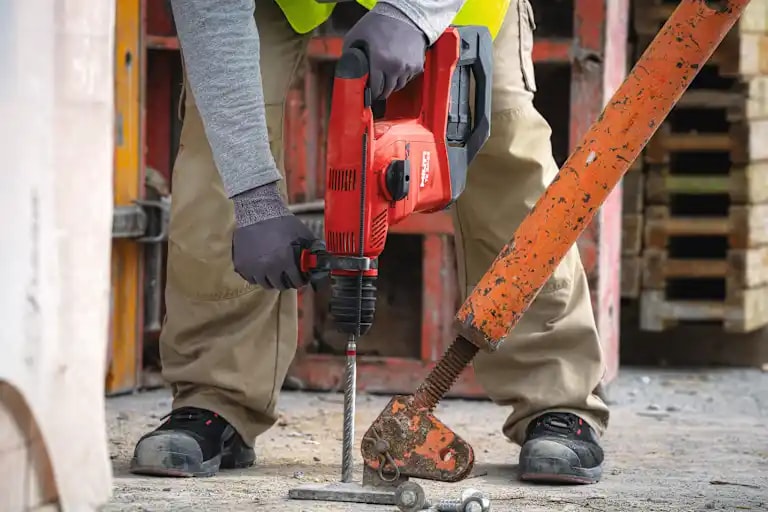
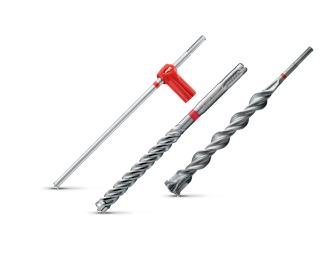
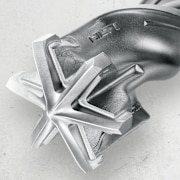
Ultrasonic shot peening, advanced welding, and inductive hardening deliver exceptional robustness and performance.
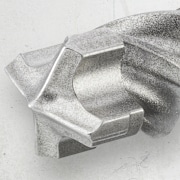
Optimised head, cutting edges and helix design deliver consistently faster drilling across the bit’s lifetime.
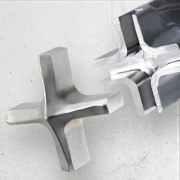
The durable carbide head supports more accurate holes and helps increase anchor installations per bit.
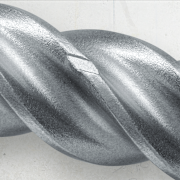
TE-YX Ultimate (SDS Max) and TE-CX Ultimate (SDS Plus) drill bits qualify for replacement if wear mark is visible.*
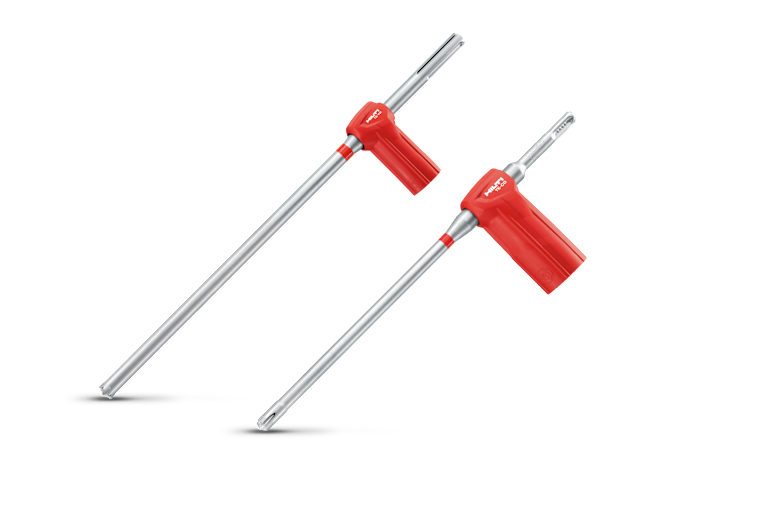
Drill and clean in one step to help increase jobsite productivity: Faster rebar installations with a system you can trust, fully compatible with Hilti tools and anchors.
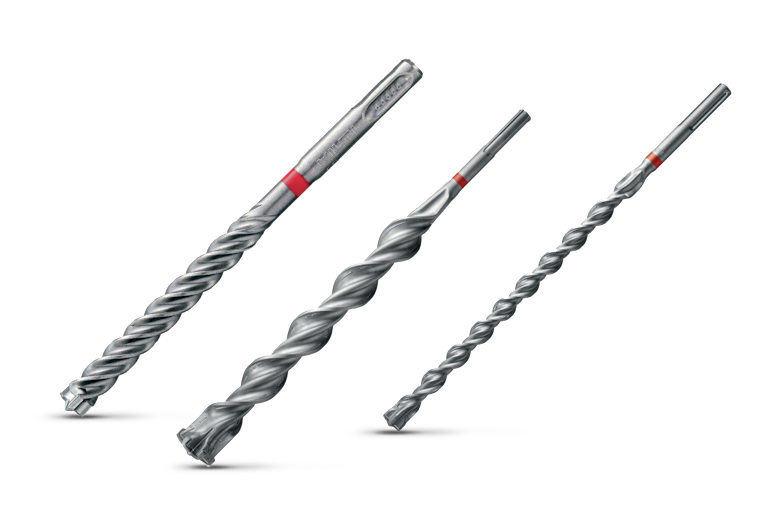
Built to handle obstacles and demanding jobsite conditions: Robust design and high-grade carbide cutting edges deliver more precise, more efficient drilling and longer-lasting performance across a wide range of base materials.
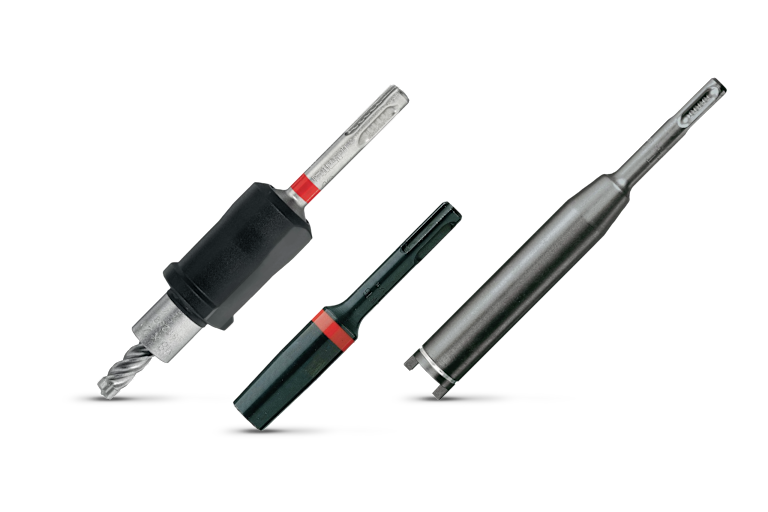
Combine drilling and setting in one efficient system to boost productivity: Integrated stop mechanisms help ensure precise, repeatable embedment depths in reinforced concrete.
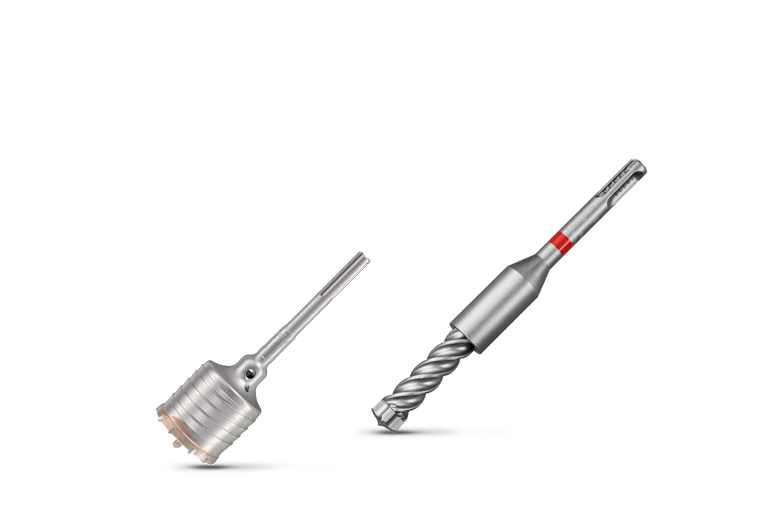
A comprehensive range of drill bits for diverse applications, including through holes, socket cutting, and waterproofing: Rely on high-performance bits for everyday tasks, with custom options available for extra-long reach.
The right drill bit depends on your job, tool and application. For smaller diameters and lower embedment of the anchors, SDS Plus bits are ideal for repetitive anchor setting jobs, providing the needed precision, speed and lifetime for mechanical anchor setting.
For heavy-duty applications, larger diameters, chemical anchor applications or drilling deeper in reinforced concrete, the SDS Max drill bits deliver maximum productivity, speed, and durability.
Yes. These modern hammer drill bits with multi‑cutter and full carbide heads are designed to cope with reinforced concrete and rebar hits. They stay on track when hitting rebar, reduce jamming, and maintain drilling speed. Full carbide drill bit is designed to cope with obstacles like rebar, especially needed in structural trades, perfect for serial anchor hole drilling. Disclaimer: Before drilling into or through rebar, consult the responsible engineer to confirm that drilling through reinforcement is permitted for the application.
When you encounter rebar or structural reinforcement, always verify whether drilling into the rebar is permitted and what rebar diameters you are likely to encounter. This is essential before starting work.
General Recommendation
If drilling into rebar is allowed and the task is intensive or repetitive, or if the rebar diameter is ≥ 16 mm, diamond drilling is strongly recommended.
TE drilling should be used only for occasional applications.
If the customer prefers to continue with TE drilling, proceed carefully and follow the “Golden Rules” below:
Tool and System Selection
Choose the right TE system: Choose bigger, we recommend TE 30, TE 60, TE 70.
Use an almost new drill bit. Worn bits can struggle in rebar and increase heat buildup.
Rebar Size Limit
Rebar larger than 16 mm, will have a significant negative impact on bit lifetime.
Drilling Technique and Best Practices
Do not stay on the rebar too long. Excessive time causes overheating and premature bit failure.
Avoid discoloration (blueing) of the bit—this indicates overheating.
Visually inspect the bit on a regular base.
Apply the correct contact pressure: do not push hard—let the tool do the work; release pressure periodically instead of applying constant force.
The main differences between SDS Plus and SDS Max are the diameter and shape of the connection end, which determine which tools they fit and what applications they are suitable for.
Connection and Tool Compatibility
SDS Plus has a 10 mm connection end and fits all rotary hammers.
SDS Max has an 18 mm connection end and fits all combi hammers.
Drill Bit Diameter Range
SDS Plus: typically, from 5 mm up to 28 mm
SDS Max: starts at 12 mm and goes up to 55 mm and more
Application and Performance
SDS Plus; ideal everyday serial mechanical anchoring tasks, relevant across all trades and customers; ideal for repetitive anchor setting jobs, providing the needed precision, speed and lifetime for mechanical anchor setting; used with tools that have lower impact energy and higher RPM.
SDS Max; designed for heavier applications where power, depth, and productivity are critical; used with tools that deliver higher impact energy and lower RPM; built to handle larger drill diameters, deeper holes, and more demanding jobs.
The drill bit lifetime depends on the base material, drilling tool, drilling technique and the drill bit technology. Ultimate full carbide head drill bits are engineered to last significantly longer, especially in reinforced concrete. However, the exact lifetime is very much dependent on the individual situation. You also have to take other factors into consideration which can limit the lifetime.
Influencing factors
Geographical varieties (e.g. mixture of aggregates)
Rebar diameter and rebar ratio
Used drilling tool
Contact pressing force
Greasing the connection end of the drill bit is essential to protect both the tool and the bit and to ensure reliable performance over time. Proper lubrication significantly prolongs the lifetime of the tool chuck and the drill bit connection end. It reduces wear and damage. Grease minimises friction and impact-related wear between the chuck and the bit.
This protects the tool as adequate lubrication helps prevent premature chuck damage and costly tool repairs.
When applied correctly, greasing can significantly extend the lifetime of the entire drilling system (tool chuck + connection end).
Always clean the connection end before use
Apply an appropriate amount of grease before inserting the drill bit into the chuck
Regularly inspect the connection end and grooves
If you notice excessive wear or damage, replace the chuck if necessary or send the tool for professional repair.
Drill bits can wear out prematurely for several reasons, most related to bit quality, design, application, and drilling technique.
Common cause is drill bit design, which can lead to inefficient cutting or dust removal, hard or abrasive base materials that accelerate wear, incorrect drilling tool selection for the application, excessive contact pressure, which overloads the cutting edges, incorrect drilling mode.
Drill bit last longer if using and optimized carbide geometry for efficient cutting and reduced stress on the tip, strong, wear-resistant carbide grades, efficient dust removal.
The drill bits maintain the required drilling diameter for accurate anchor installation, deliver higher drilling speed for longer periods and provide more consistent performance over their lifetime. In summary, using the right drill bit design and carbide quality, combined with correct drilling technique and tool selection, is key to maximising drill bit life and achieving precise, reliable holes.
Absolutely. Hammer drill bits are designed to deliver accurate diameters and boreholes. This ensures that drilled holes meet anchor requirements, so anchoring points perform as specified in terms of load capacity, reliability, and safety.
Inaccurate holes are most caused by worn cutting edges and reduced drill head geometry due to wear. As the cutting edges degrade, the drill bit can no longer maintain the correct diameter leading to inaccurate boreholes. Therefore, regularly inspect drill bits for wear and replace them when cutting edges are no longer sharp and always verify that the drill bit diameter matches the anchor manufacturer’s specification. Accurate holes are essential for reliable anchor performance, so using the right drill bit, correct size, and proper condition is key.
Yes. Hammer mode is essential when drilling into concrete. It combines rotation with a hammering (impact) action, which breaks up the hard concrete structure efficiently while the rotating drill bit removes the material. Without hammer mode the drilling is significantly slower, the drill bit can overheat and wear out faster.
Use the right drill bit and tool for the job, apply steady pressure, and let the drill bit and the tool do the work. Advanced helix designs and optimised carbide heads remove dust efficiently, keeping drilling speed high from the first hole to the last.
Too low or excessive contact pressure prevents the system from reaching optimum hammering operation and thereby limits efficiency. And can damage the whole system (chuck, bit, hammering mechanism).
Deeper holes are often required for subsequent rebar, water proofing or other applications where a thorough or deep hole is needed. Predrilling is key to prolonging lifetime and being productive. Drilling step-by-step increases efficiency by incrementally increasing the depth (e.g. 200 mm, 400 mm, 600 mm, 800 mm) and regular ventilation intervals (by removing the bit from the hole) significantly increase the drilling performance and lifetime.
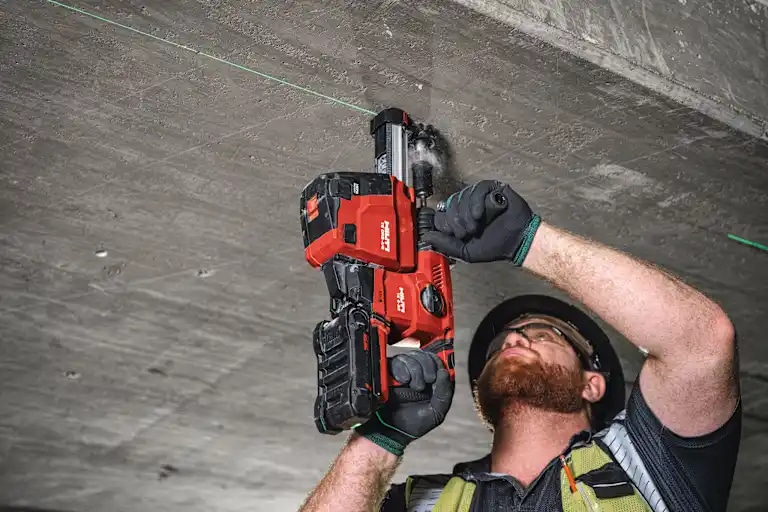
Dust‑free drilling solutions, such as hollow hammer drill bits used with vacuum extraction, dramatically reduce airborne dust. This supports jobsite safety, and helps meet health regulations—without slowing you down.
For optimum performance, the diameter of the hollow drill bit needs to match with the recommended list of tools. Especially for serial drilling, choosing the right tool and connection end is very important.
Yes, we always recommend using a Hilti Vacuum with a Hilti hollow drill bit as our products have been tested and proven to be compatible with each other.
The following Hilti Vacuums have been approved to be used with Hilti Hollow Drill Bits - VC 10, VC 4X-22 T8, VC 4X-22 T15, VC 20-X, VC 40-X, VC 60-X.
Note: Bigger diameter hollow drill bits require bigger vacuums. Refer to the operating manual for the recommended vacuum.
Check that the vacuum cleaner is switched on before drilling.
Check that the vacuum cleaner has a power supply or that the battery is sufficiently charged.
Check that the red adapter on the hollow drill bit is in the correct position.
Check that the red adapter is assembled correctly.
Check that the suction holes on the hollow drill bit are open and allow proper airflow.
Check that the hose is not twisted or kinked.
Note: These checks help ensure optimal performance of the hollow drill bit system.
Verify that the base material is listed in the Instructions for Use (IFU) and approved applications. Hollow drill bits are only designed for approved materials.
Before drilling, identify the base material. Drilling into green (uncured) concrete is not approved and may cause clogging. Embedded plastics, fibers, insulation layers, or other inclusions can also block the hollow drill bit.
If such conditions are present, keep Hilti TE-YX or TE-CX drill bits available as a backup. For details, refer to the IFU.
Pipe hose extensions are not recommended; it will lead to less suction power and issues with the dust transportation, leading to clogging of the drill bits.
Hollow drill bits have similar performance to our regular TE CX and TE YX drill bits. But sometimes can get jammed when there is a higher density of rebar - keep Hilti TE CX and TE YX drill bits as back up in such cases.
Yes. We will replace your TE YX Ultimate (SDS Max) and TE CX Ultimate (SDS Plus) drill bits if the wear mark is visible. No need to track receipts or read between the lines of fine print. Simply put, if your bit breaks, bends, or becomes unusable and the wear mark is still visible, we’ll replace it at no charge to you.**
*The offered replacement is regardless of whether the insert is damaged by normal use in the course of your ordinary business or damaged as a result of defects in materials or workmanship and is without admission of Hilti’s liability. Further claims under our commercial warranties for our inserts are excluded, and Hilti is not liable for any other damages or losses (including business interruption). Your mandatory legal warranty rights in case of product defects remain unaffected.
