Shop our Cordless Blowers
Keep your site and working areas clear from debris
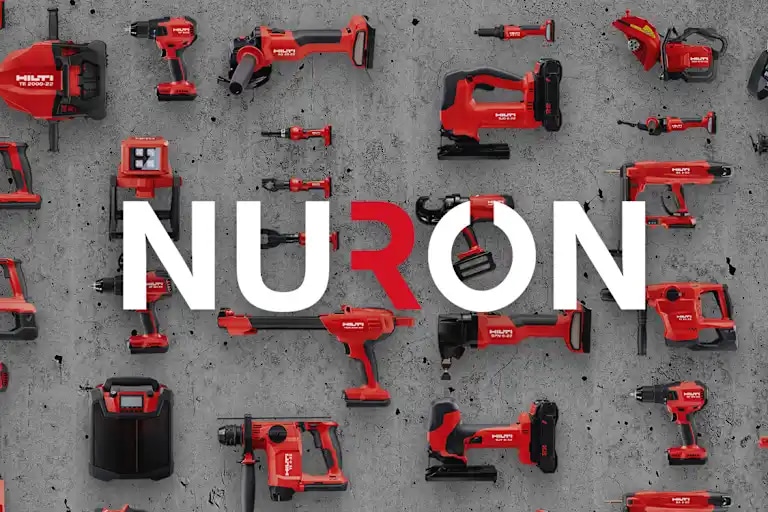
Power around 90 tools with a single battery
More work-per-charge
Built-in battery diagnostics
New and improved safety features
Last charged location*
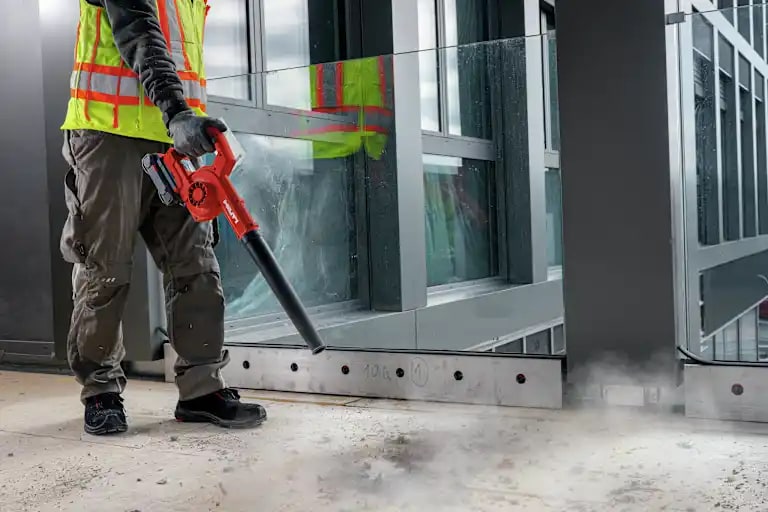
The benefit of having a battery powered cordless blower means you have no harmful emissions when using the device, compared to using a petrol-powered cordless leaf blower. This means you can use it in areas sensitive to petrol fumes, keeping your employees and customers safe.
In addition, battery cordless blowers are often quieter than petrol jobsite or leaf blowers. This offers more consideration of working conditions and the environment of your clients and their immediate neighbours.
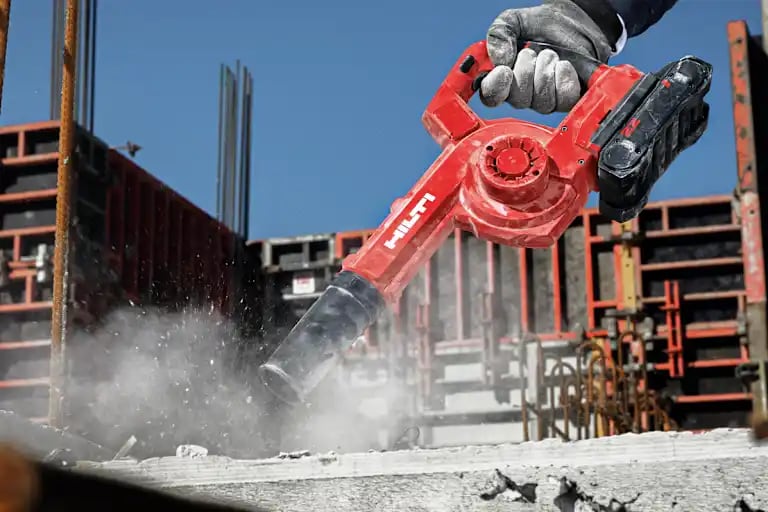
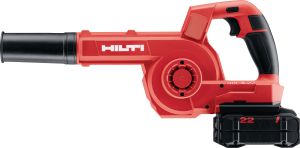
We know that space for kit in your van or tool yard can be at a premium. That why our compact cordless blower offers a perfect solution for both performance and storage needs across any project. Weighing in at just over 1.1kg makes it easier to use this cordless blower with just one hand, while still offering great performance and variable speed options. Its compact size also means it takes up less room in the van, with detachable accessories that can inflate and deflate as needed.
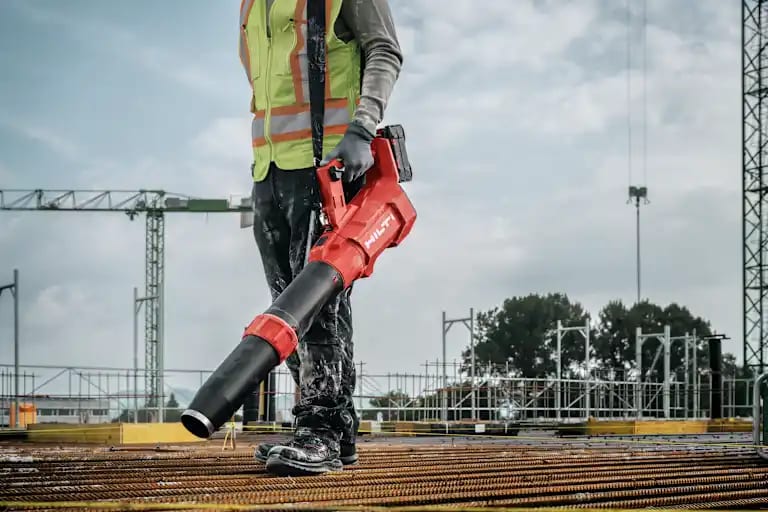
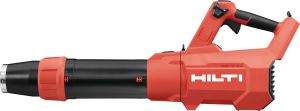
With Nuron, you can perform corded and petrol-powered applications on a single cordless platform. From breaking and cutting to drilling and fastening, Hilti cordless tools, including our cordless blower with brushless motor, are designed for maximum performance and improved user comfort.
Products on the Nuron battery platform offer cordless tools without compromise thanks to longer-lasting batteries and a range of services to keep you productive, today and tomorrow.
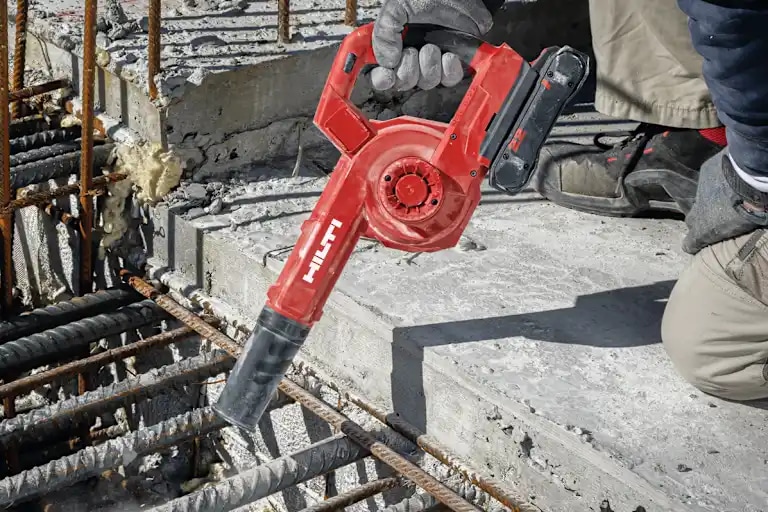
Our cordless blower, sometimes referred to as a battery blower, can help with a range of cleaning and tidying tasks across the board.
This could include blowing away accumulated rubbish in the front or back of your van, clearing out dust or wood shavings before a particular task, or blowing away leaves and other debris on areas exposed to the elements. Keeping your work areas tidy not only encourages good practice and consideration for others around you, but it also encourages good health and safety practices in helping to prevent accidents.
*Fleet subscription and charger module required
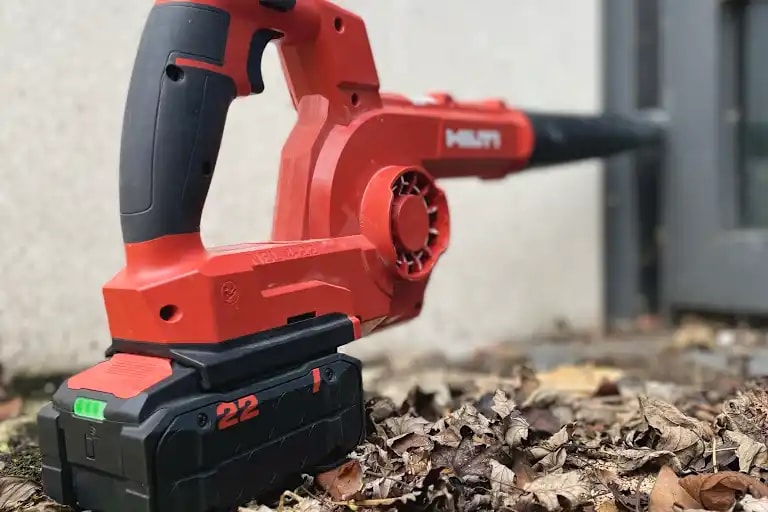
A jobsite blower is used, as the name suggests, to blow debris on the jobsite away from working areas to help keep them clean. The are usually strong enough to blow away items like leaves, sawdust or metal shavings.
The performance of jobsite or garden blowers are usually measured in the output of cubic airflow volume per minute and airflow speed/ velocity (60mph).
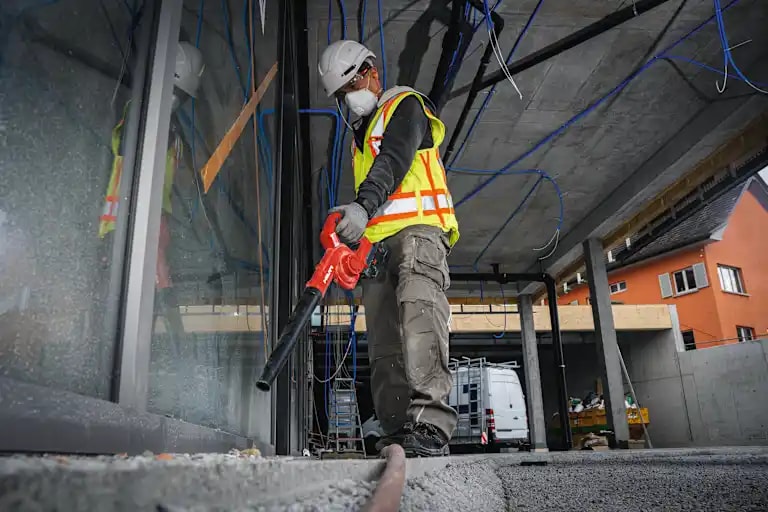
Yes it can. In many instances, jobsite blowers can be used to blow concrete dust away from working areas – including some sensitive areas.
However, for dust control of hazardous substances, you may need the correct class vacuum or wider isolation features to comply with health and safety conditions for your region.
While jobsite blowers are effective for removing dust and debris from an area, they don’t provide total control of where that dust can end up.
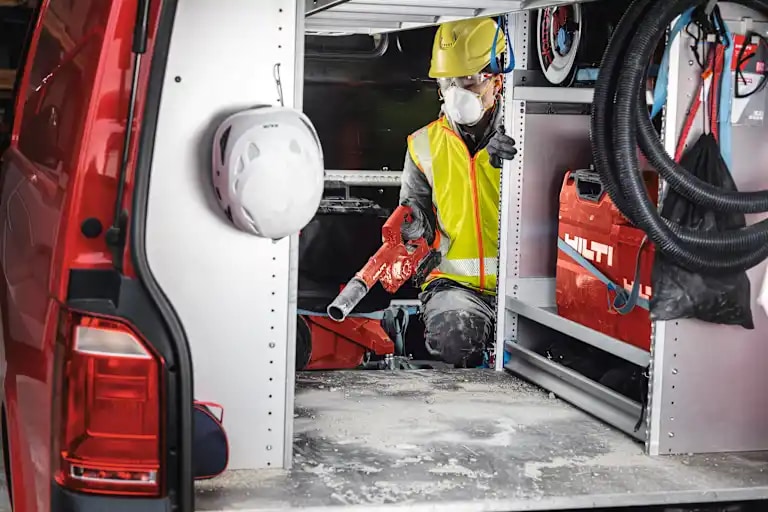
You can definitely use a jobsite blower to help with a surface clean of dust on your tools to help maintain them.
However, to ensure your tools remain in good shape, it’s always recommended that you follow manufacturers guidelines on scheduled maintenance and servicing – which can also include interior tool cleaning where required.
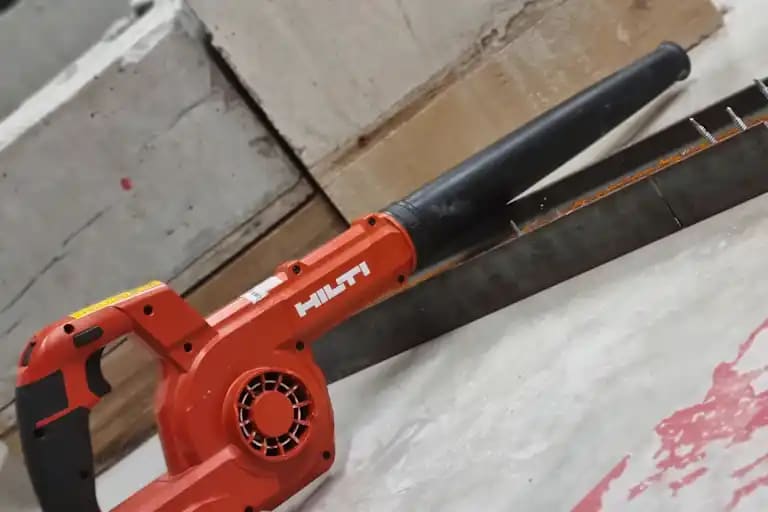
The difference between air volume and airflow speed for jobsite blowers is as follows:
Air volume: measures the amount of air moved by the blower and is usually measured by cubic metres or cubic feet per minute (CFM). The larger an area that a blower can move means that is potentially more efficient per task – so it takes less time to clear a working area.
Airflow speed: measures the speed at which air is moving once it leaves the nozzle of the device. Quicker airflow may be beneficial when trying to move heavier debris. The difference between air volume and airflow speed for jobsite blowers is as follows:
Air volume: measures the amount of air moved by the blower and is usually measured by cubic metres or cubic feet per minute (CFM). The larger an area that a blower can move means that is potentially more efficient per task – so it takes less time to clear a working area.
Airflow speed: measures the speed at which air is moving once it leaves the nozzle of the device. Quicker airflow may be beneficial when trying to move heavier debris.