
Our best cordless drills & cordless drill drivers
All-day performance for a broad range of jobs
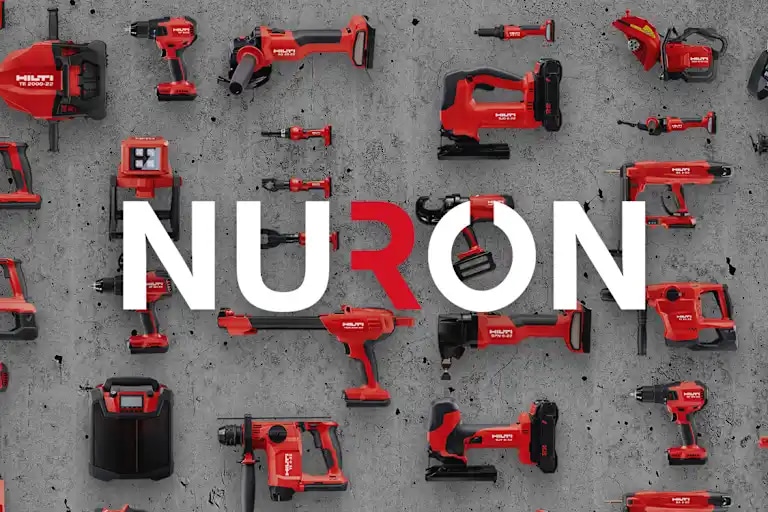
Power around 90 tools with a single battery
More work-per-charge
Built-in battery diagnostics
New and improved safety features
Last charged location*
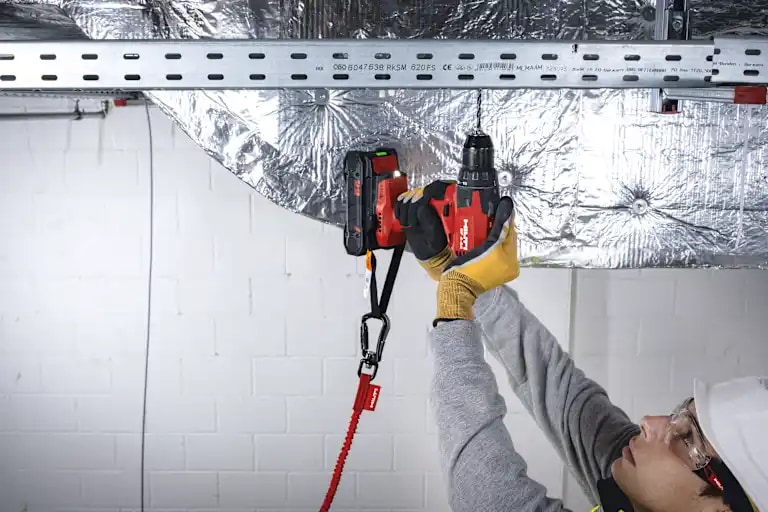
Whether you're fastening screws overhead or hammer-drilling through masonry, our battery powered drill range offers the ideal balance of power, weight and size for more performance with less fatigue. In addition, our best cordless drills and cordless drill drivers also offer increased speed, longer run times and improved comfort, as well as built-in battery diagnostic alerts and data-driven services that simplify your tool park management.
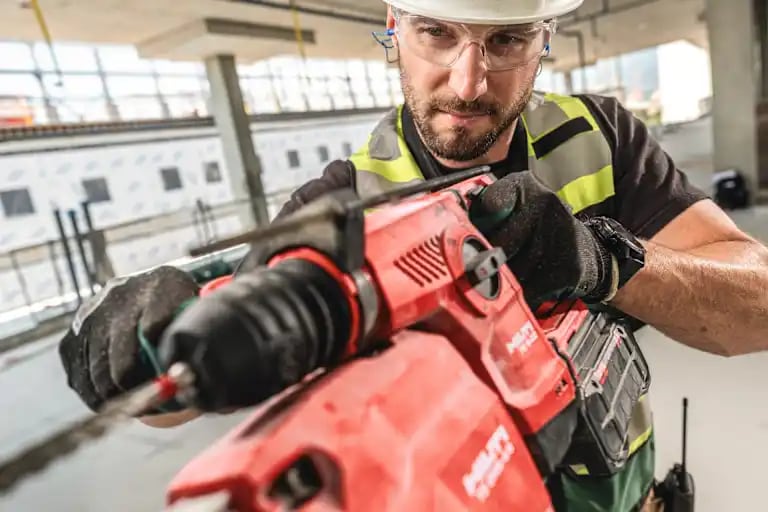
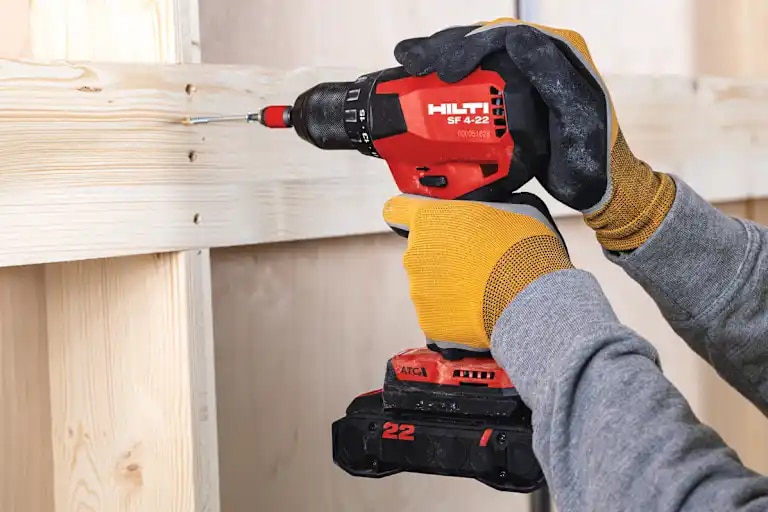
For comfortable, reliable drilling and driving in tight spaces. Our tools, which include cordless hammer drills, cordless drywall screwdrivers and compact drill driver products, will meet all your everyday needs. Selected tools in the Nuron range have the power and run time to make holes in concrete all day long, while our ultimate-class drill drivers boast high-output batteries and Active Torque Control (ATC) to deliver cord-like power.
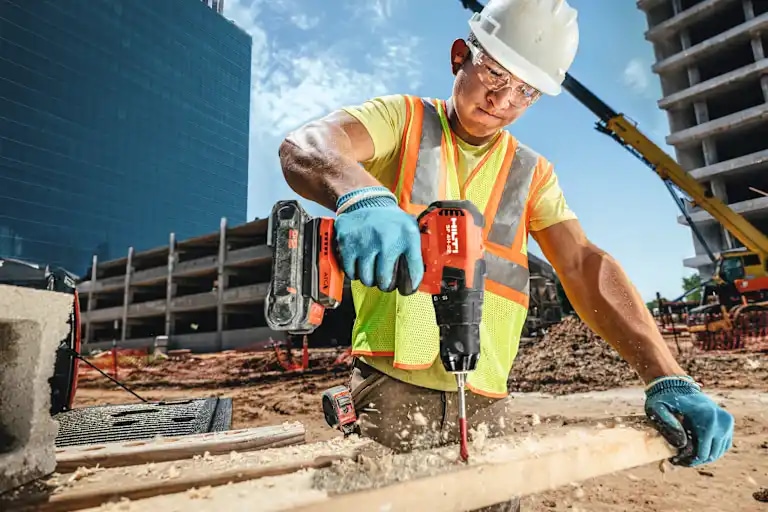
A regular cordless drill is normally used for drilling holes in materials such as wood, plastic, and thin metal. Whereas a cordless drill driver can be used for drilling holes and driving screws. This is because drill drivers come with adjustable torque settings to prevent over‑tightening or stripping of screw heads vs a regular drill without torque control.
*Fleet subscription and charger module required

While torque can be defined as the force that causes an object to rotate about an axis, it also determines how much force a drill driver uses during various drilling or driving tasks – usually in Newton-meter (Nm).
As a general guide:
20–40 Nm
is the range used for driving small screws during furniture assembly
40–60 Nm
is the range for tasks in general home improvement, decking and driving larger screws
Over 60 Nm
is generally used by professional tradespeople for more heavy-duty tasks
While both types of motors perform similarly well, there a couple of things you should consider when choosing between the two types of motor.
Cordless drill drivers with brushed motors are generally cheaper than brushed equivalents. However, drill drivers with brushless motors can be lighter and produce less heat because there are less moving parts and friction – which in turn decreases wear and tear and helps to prolong tool life.
Drills featuring a brushless motor are also better for projects where prolonged use is required, with less heat build-up in the tool. So for frequent use a brushless motor is better, but normally more expensive.
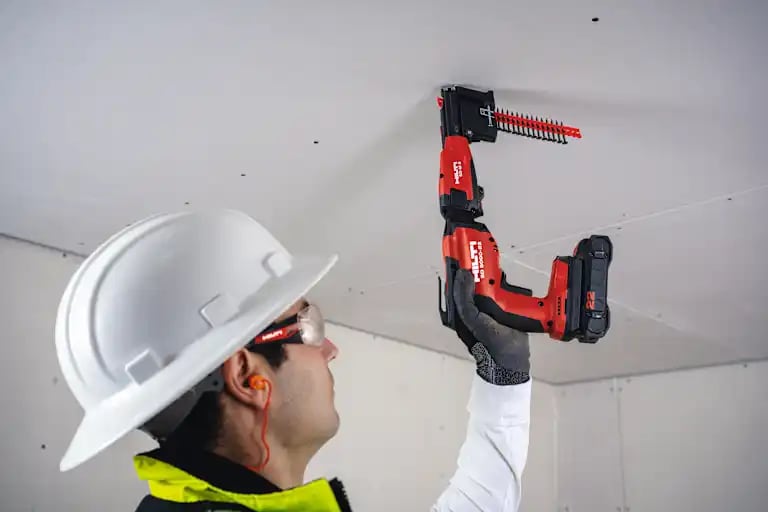
A cordless screwdriver, or cordless drywall/ metal screwdriver, is usually lighter than a drill driver and only made for driving screws. On the other hand, a cordless drill driver is more powerful and can drill holes and drive screws.
However, a cordless screwdriver, for either metal or drywall, can offer higher speeds and more consistent depth gauge for screws. This is vital for when accuracy and consistency during driving is key.