
Top 5 safety concerns in construction
While health and safety are key aspects of construction, we look at the top risks that can be a danger to you and your teams on-site.
Top 5 safety concerns in construction
Health and safety is vital in construction. If it isn’t placed at the heart of your operations, you could see life threatening incidents and significant fines.
Here are the top five health and safety concerns in construction to be aware of…
Falls from height
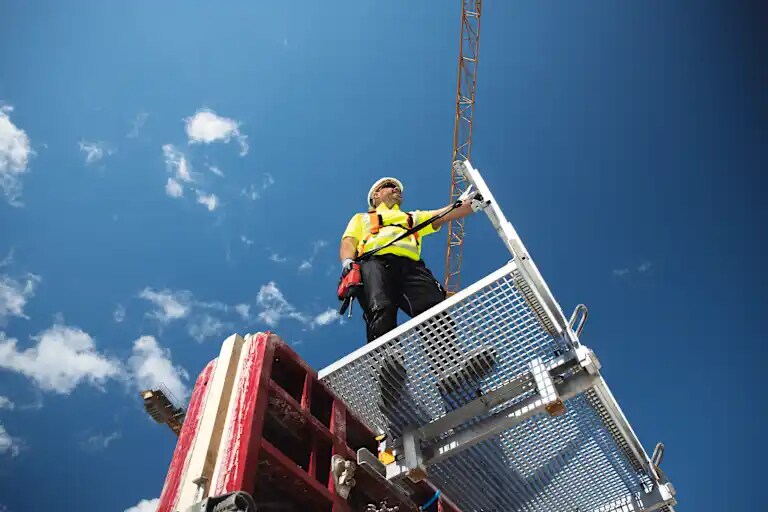
Falling from height is the most common cause of serious injury or death at work in the UK (1). The risk could be caused by:
An unsecured ladder
A missing barrier
Lack of appropriate health and safety equipment
Inadequate training
No working platform provided
These risks are especially relevant in construction where people often work at height, sometimes dozens of storeys in the air, operating heavy machinery and navigating a range of other hazards.
Struck by moving objects or vehicles
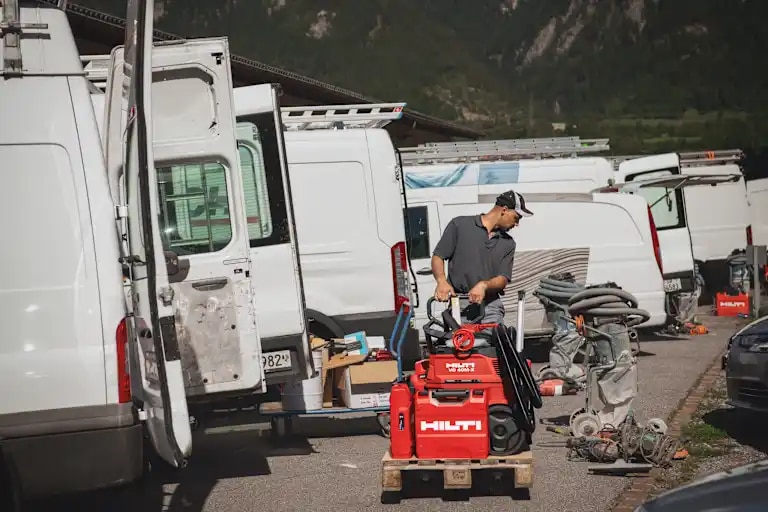
Another potential danger which is especially relevant to construction is the risk of being hit by a moving object or vehicle during the working day. Every construction site is constantly in motion, leaving workers open to a range of risks, including:
Falling debris
Plant moving around the site
Delivery vehicles entering the site
Appropriate systems should be put in place to catch falling objects, especially from tall buildings. Likewise, site managers should clearly demarcate walking and driving routes around the site, and all workers should be trained not to stray from the marked paths.
Contact with electricity
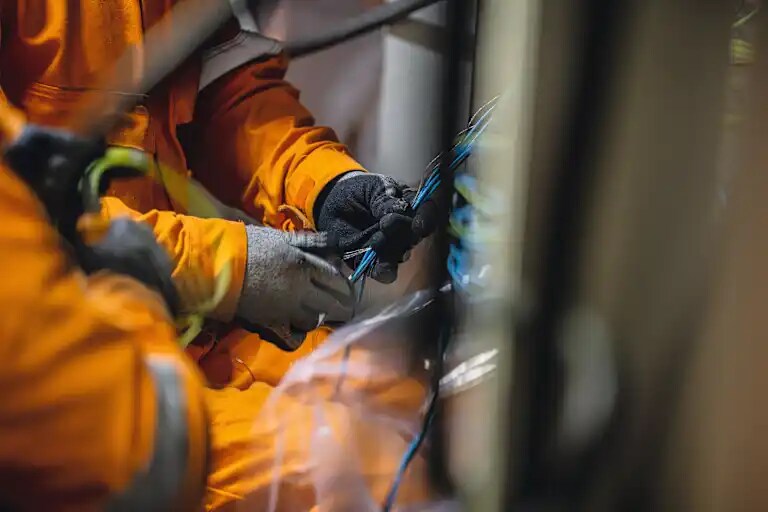
Electricity is a serious danger on construction sites, and you must take measures to protect your workers from exposure. The danger is particularly acute if you are working on a refurbishment project with existing wiring and electrical infrastructure.
Some guidelines to work by include:
Assume all electrical wiring and equipment on site is live until proven otherwise.
Ensure trained and competent electricians are the only people to carry out electrical work on site.
Carry out regular inspections to check that all electrical equipment, wiring and safety precautions are in a good state of maintenance.
Do not let water pool near wiring or electrical equipment.
Electricity is a high-stakes danger on construction sites which can only be combatted by instilling a culture of vigilance in your workforce. Doing so should be a priority for all contractors.
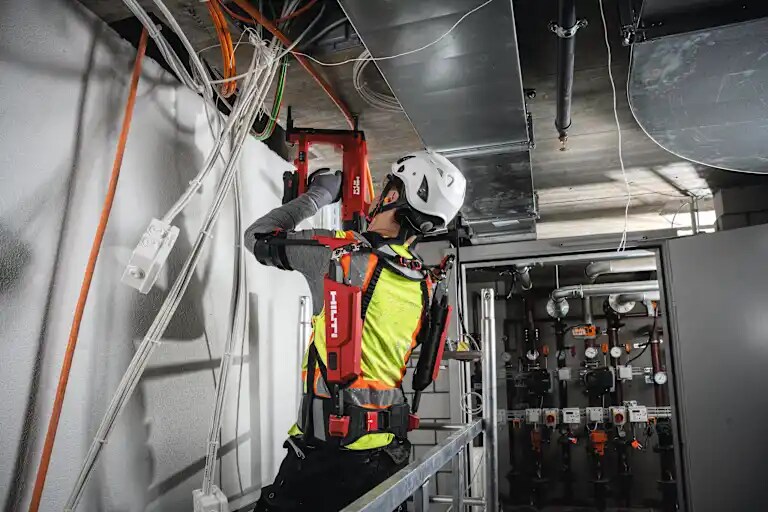
Manual handling mistakes
Regularly lifting, carrying or handling materials and items can cause serious injuries – tasks which are non-negotiable in construction. The Manual Handling Operations Regulations 1992 says you must prevent or reduce risks from lifting, carrying and handling loads, but how can that be done effectively on site? Some solutions include:
Lifting and carrying aids – Supply pallet trucks, trolleys, lifting devices and grips where appropriate.
Adequate room – Ensure that there is always adequate room for your workers to complete a task so they are not stretching or bending in unnatural ways that can cause harm.
Workspace environment – Make sure that the site is properly lit, lifting areas are flat and firm, and the site is clean and tidy to avoid unnecessary additional hazards.
Work rate – Give everyone enough time to complete their manual handling tasks so they can do so safely, without rushing.
Training and supervision – Train every worker and then provide proper supervision as they work so you can spot and fix hazards early.
Tools such as the Hilti EXO-S Shoulder Exoskeleton can help reduce manual handling risks. It is designed to help carry the load when workers are using heavy tools over head-height, and can help reduce strain on the shoulders and neck.
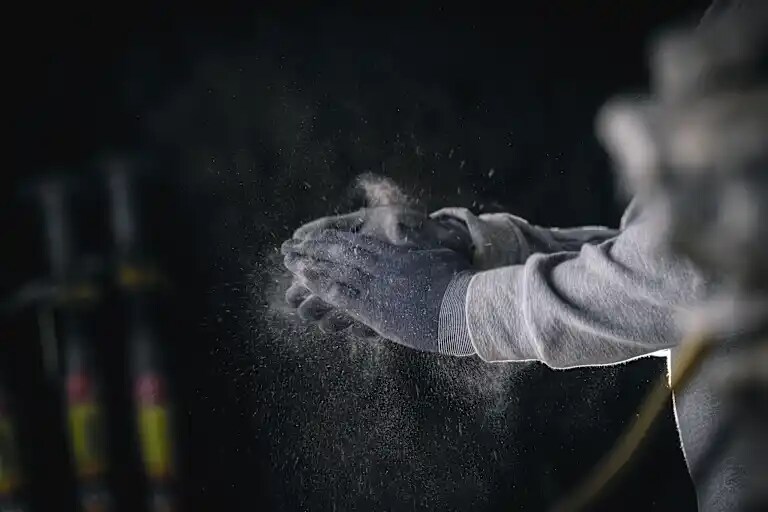
Long-term health risks – Dust, asbestos and vibration
Finally, there are a range of long-term dangers associated with construction sites which also require constant vigilance. The effects build up over years, so the earlier you take action the better.
They include:
Dust – Dust on site can cause diseases like lung cancer, asthma, Chronic Obstructive Pulmonary Disease (COPD) and silicosis. The HSE estimates up to 500 construction workers die each year following exposure to silica dust (2).
Asbestos – The leading cause of work-related deaths in Britain (3). Asbestos is typically found in older buildings, presenting a serious risk to workers involved in refurbishment or demolition. Related diseases can take decades to develop, so responsible management is essential.
Vibration – Vibration is a daily hazard for construction workers using power tools. Too much exposure can cause Hand-Arm Vibration which affects the nerves, blood vessels, muscles and joints of the hands and arms.
Choosing the right tools can help you minimise these hazards. Hilti’s range of power tools is equipped with technology like Active Vibration Reduction and integrated dust removal systems to protect your works.
Resources
1- https://www.hse.gov.uk/mvr/topics/falls.htm
2-https://www.hse.gov.uk/construction/healthrisks/hazardous-substances/construction-dust.htm
3-https://www.hse.gov.uk/asbestos/introduction/index.htm