
Shop our best measuring tool products
Including rotary laser and multi-line laser levelling products
New
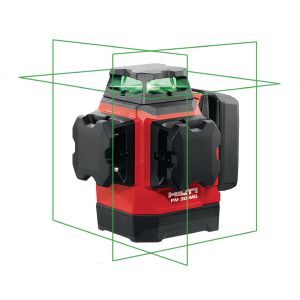
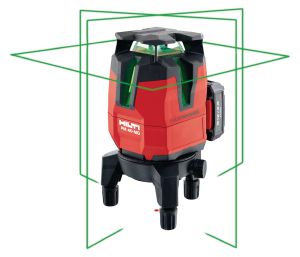
Nuron
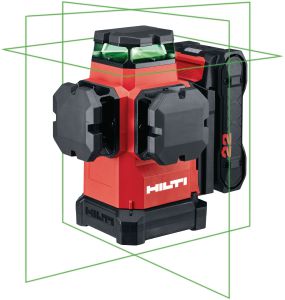
Nuron
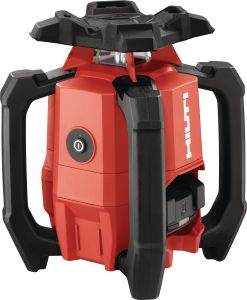
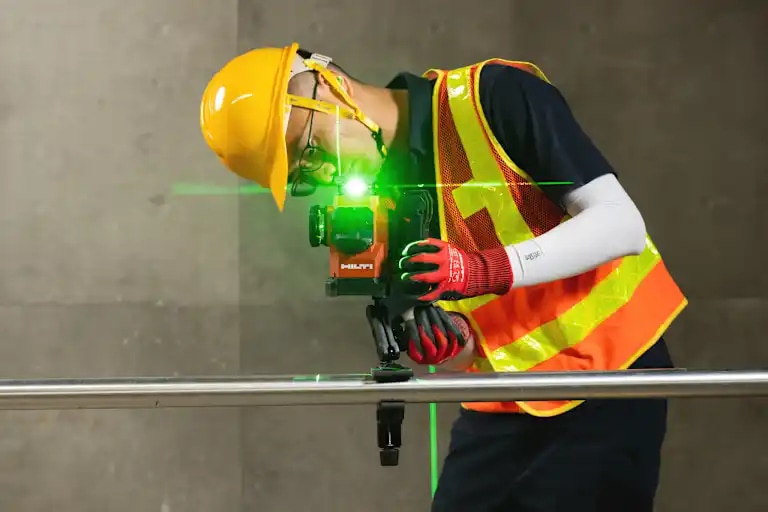
As a construction professional in any trade, you’ll most likely need to use some form of levelling or measuring tools during the early stages and throughout a project. Getting the relevant points and measurements correct helps contribute to a successful job, and also lays the groundwork for the rest of the project.
So if you’re looking for accuracy as well as efficiency, with features such as one touch operation, durable battery life and tools that can stand-up to harsh conditions on the jobsite, you can trust our best laser level products to help you get the job done right. In addition, with a range of products that cover both indoor and outdoor use, some of our selected measuring tools are also compatible with laser receiver add-ons to offer a greater operating range when outdoors.
Our range of measuring tool products, which are sometimes referred to as a green laser level, are available in different forms such as a multi-line laser level, rotary laser level, and plumb and cross line laser. All these options can help you plan for the job, and make sure it’s precise.
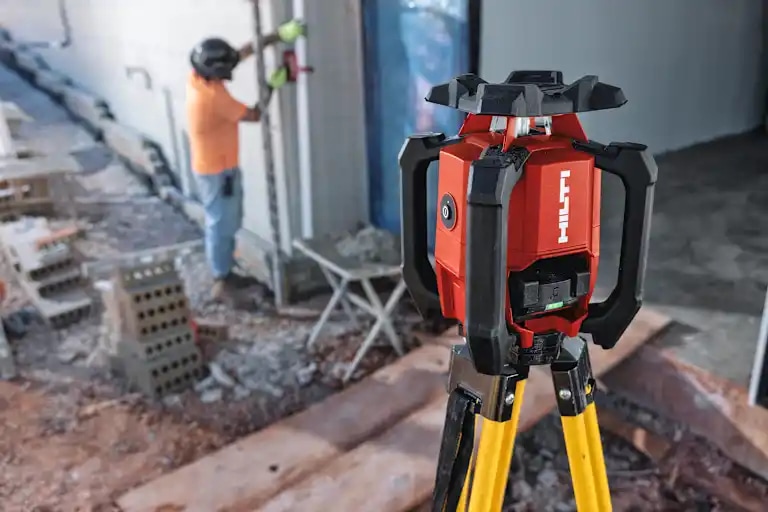
As these tools can be used by most trades in the business, they can often be relied upon across a number of tasks in both commercial and domestic jobs.
As a plumber, where advance planning is required, these could be for the alignment of pipe runs or waste. For those in the joinery or plastering trade when you need precision, laser levels are often helpful to plan and set out studwork for plasterboard or when installing a suspended ceiling. Or if it’s the alignment of sockets and spotlights electricians can trust a laser level to ensure uniformity when it matters most. And while measurements for internal works are key, our tools also make sure that ground, concrete works and landscaping professionals can trust our robust laser level products in the outdoors as well.
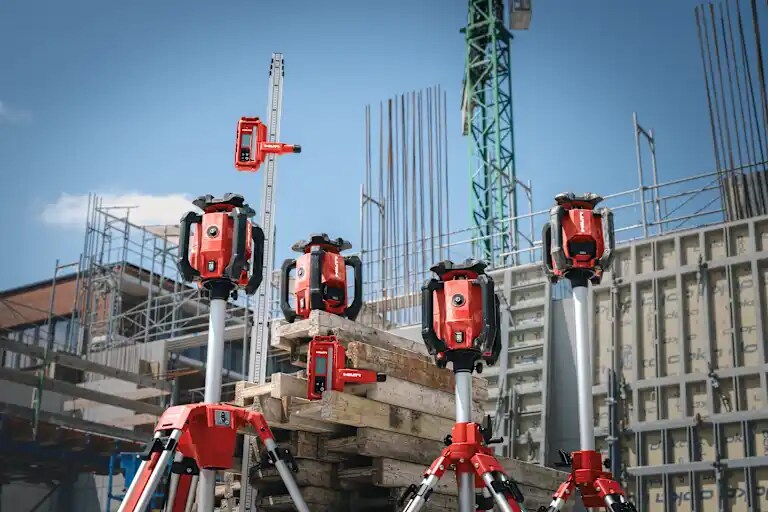
There are two possible answers to this question.
If the job at hand is an interior project, or mainly focuses on interior renovation, your best bet would be to go with a multi-line laser level. This would help to manage levelling, aligning and squaring tasks.
However, if you’re working on a project where the main bulk of the work is managing exterior or site layout tasks, then a rotary laser level (or rotating laser) should be your preferred option. This would help with long-distance levelling, aligning and sloping tasks.
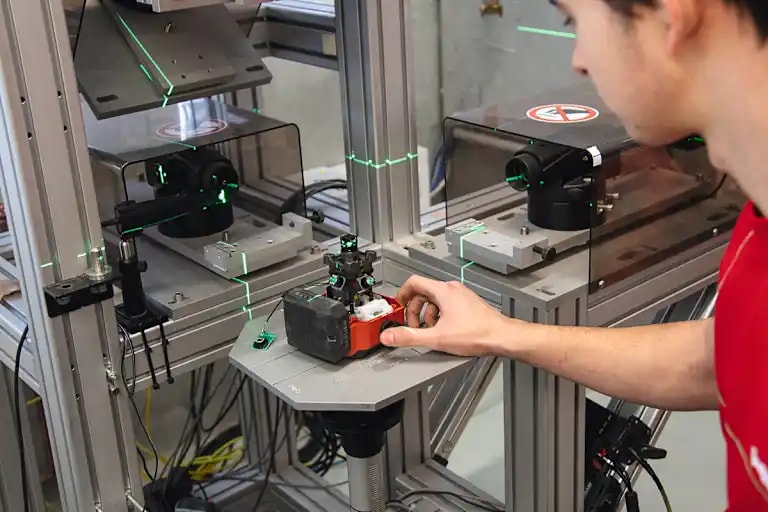
Assuming your rotary laser is on a level surface, tripod or stand, fire a beam to a wall and mark where it lands. Then rotate the unit 180 degrees and repeat the process – to check the beam from another part of the device. If the two points match, you’re good to go. If the points don’t match, check the surface/ tripod is level and repeat the test.
If you have a line or multiline laser you can copy the steps above for each beam axis.
The other way to ensure accuracy on your measuring or levelling devices is to get them professionally serviced and calibrated, leaving little room for error. Hilti customers, who either lease or purchase measuring tools, can get their tools serviced direct to ensure accurate measurement.
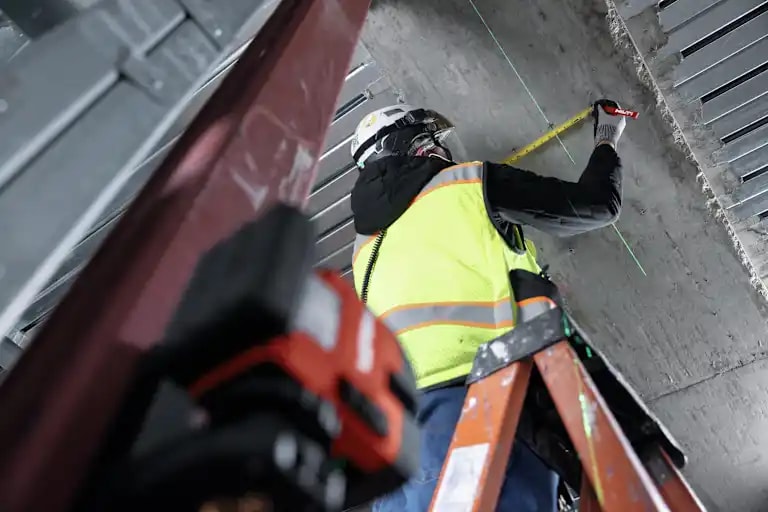
The simple answer is that rotary lasers are mainly used for exterior use, and line lasers are used for internal tasks.
The other main difference between the two devices is that a rotary laser, or rotating laser, will project a 360 degree beam and can be used with laser receivers/ detector to check accuracy. A line laser or multiline laser will project either a single or two lines perpendicular to each other but doesn’t need anything else to operate.
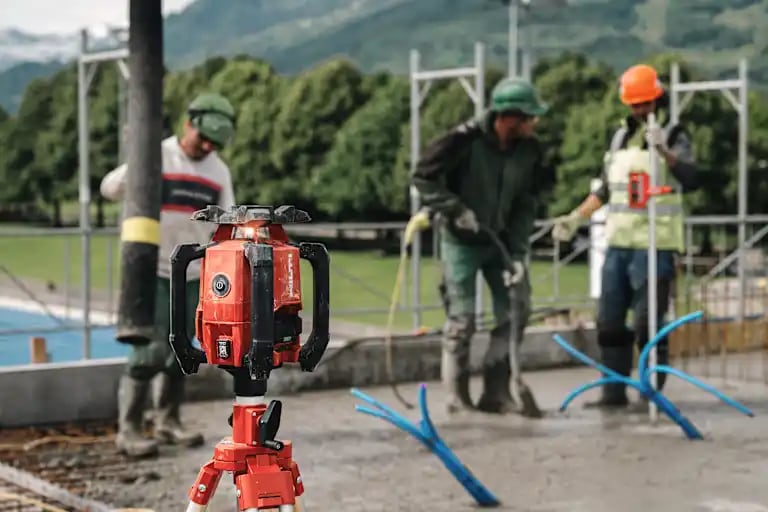
The accuracy and reliability of laser levels can vary by brand.
For premium measuring products, like those from Hilti, line lasers can work to ±3 mm at up to 40 meters and to ±1.5mm at 30 meters for rotary lasers.