
Thermal Imaging Camera
Suitable across a range of tasks in construction and beyond
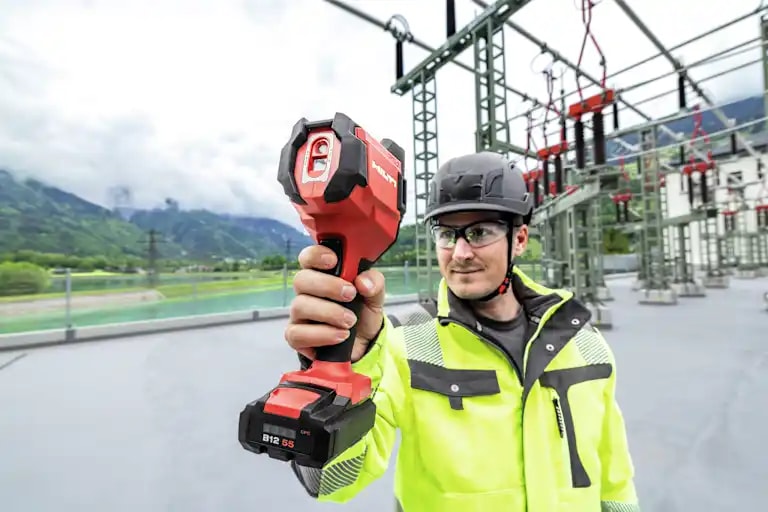
High resolution
Wide temperature range
Save on service fees
Robust ergonomic design
Easier documentation
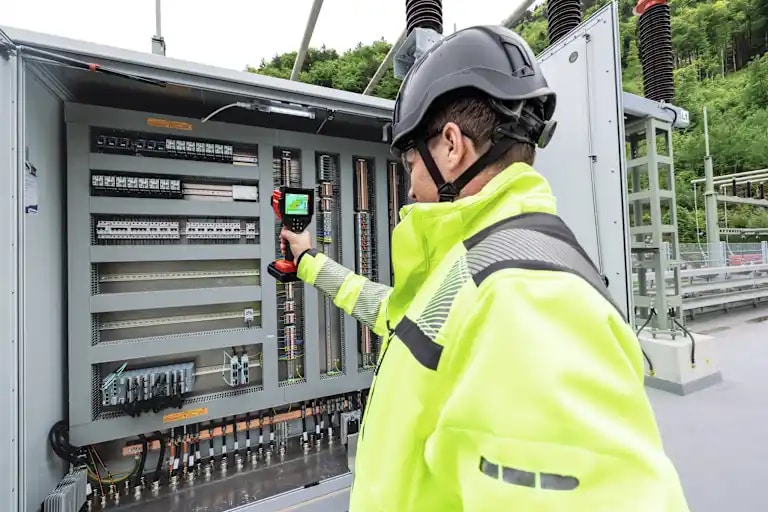
Many professionals in our industry are often faced with scenarios where they need to investigate the source of a fault or conduct some form of exploratory work. This could include:
Identifying underfloor heating and pipes
Checking air conditioning and pipes
Localisation of water and steam leaks
Fault finding in fuse boxes
Checking electrical components
Checking cable connections
Insulation damage
Tank level detection
Regardless of your industry or the applications you need it for, our PTC thermal imaging camera can help you identify problems or scope working areas before you begin.
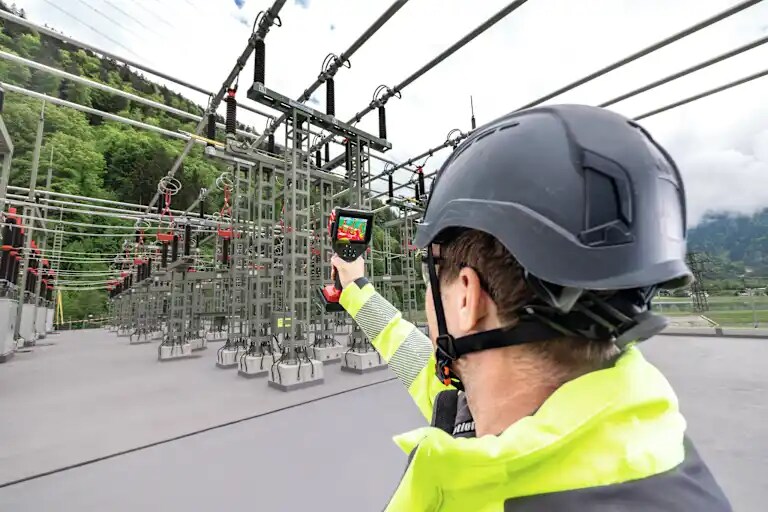
If you’re working on site and need to record your findings while actively using the device, the PT-C allows you to add comments directly as you work, making it easy to capture key observations in real time. These recorded notes can be reviewed later, helping you maintain accuracy and continuity when reporting or revisiting specific problem areas. This added flexibility is especially useful when you need to pinpoint areas one-handed while operating the camera at the same time, ensuring nothing important is missed during inspections.
For enhanced connectivity and efficient reporting, the PT-C also enables you to export both optical and high-resolution thermal images complete with your recorded comments. Using USB-C, files can be quickly transferred to a compatible device, making it straightforward to share findings, create reports or collaborate with colleagues once you’re back in the office or on another part of the site.
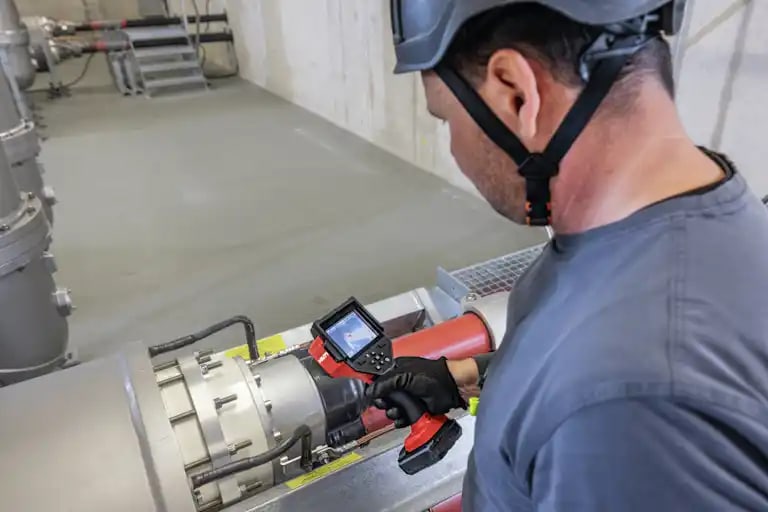
The main difference between the two is how they capture an image. Thermal cameras, as the name suggests, captures the heat emitted from a particular object or objects. Whereas an infrared camera will capture infrared light, which is invisible to the naked eye, to give you an image or video.
There are benefits of both in different circumstances. Thermal cameras help professionals to identify water leaks, anomalies in electrical fuse boxes, tank levels, heat leakage in installations and more. While IR cameras, are widely used in home security and in parts of the medical profession.